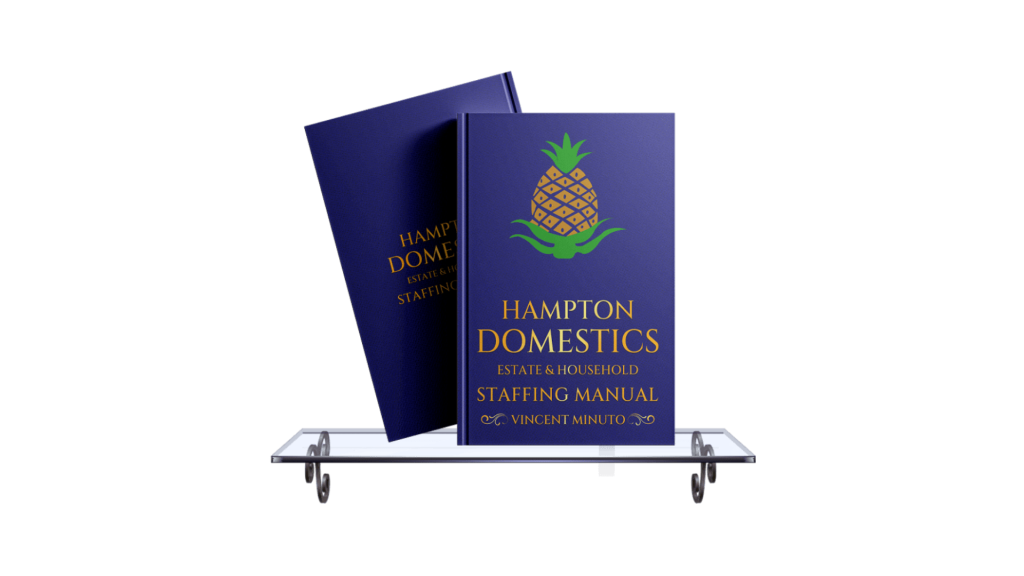
Strong homes rely upon readability, consistency, and successful aid. Therefore, training household staff becomes crucial for families who cost order and stability. Vincent Minuto knows that staffing on my own does now not create concord. Instead, instruction, leadership, and steerage form daily success. While many families hire skilled specialists, real consequences seem to occur when expectations continue to be clean. Moreover, based systems lessen confusion and make stronger teamwork. Parents who lead with aim build environments in which caregivers carry out, with a bit of luck. As a result, children advantage from consistency and calm exercises. Through thoughtful practice and steady routines, households remodel day-by-day control into a smooth and profitable joy.
Why Training Household Staff Creates Long-Term Stability
Effective houses perform on clean standards and steady communication. Therefore, training household staff have to start with defined expectations. Without a route, even skilled professionals may additionally feel unsure. However, while households communicate surely, self-assurance grows speedily. Household staff training works best while parents define values first. For instance, day-by-day schedules, area tactics, and privacy rules must stay specific. Consequently, caregivers understand both boundaries and responsibilities. In addition, written tips prevent confusion later.
Moreover, household staff training strengthens duty. When obligations continue to be documented, overall performance will become measurable. As a result, improvement occurs, certainly over time. Vincent Minuto emphasizes training in place of reaction. Instead of correcting repeated mistakes, households save you from them early. Consistency also improves morale. When caregivers know what success looks like, they perform with assurance. Therefore, homes run smoothly even during busy seasons. While flexibility still matters, structure provides a dependable framework. Through proactive leadership, parents establish systems that support everyone involved.
Leadership Shapes Household Culture
Strong leadership defines household tone. Therefore, Vincent Minuto encourages parents to model calm authority. Confidence, however, must balance with compassion. When leaders remain steady, staff respond positively. Clear communication forms the backbone of effective management. Parents should articulate priorities during onboarding. Additionally, regular check-ins reinforce shared goals. Because expectations evolve, communication must remain ongoing.
Furthermore, preparation builds trust. When caregivers receive thoughtful instruction, they feel valued. As a result, loyalty and commitment increase. Instead of micromanaging daily tasks, parents’ guide with clarity. Importantly, emotional intelligence strengthens leadership. Parents who regulate their reactions create stable environments. Consequently, staff members mirror that calm approach. Harmony grows when guidance replaces frustration. Above all, leadership requires consistency. When parents uphold standards daily, confusion disappears. Therefore, households’ function with confidence and rhythm.
Clear Systems Prevent Common Challenges
Organized systems reduce stress across the entire home. Therefore, families should create structured workflows before problems arise. Preparation saves time and energy later. First, outline morning and evening routines clearly. Next, assign responsibilities based on skill and experience. Then, document emergency procedures carefully. Each step builds a reliable framework.
Additionally, performance reviews strengthen accountability. Scheduled evaluations encourage open dialogue. Because feedback remains consistent, improvement becomes achievable. Furthermore, boundaries protect professional relationships. Clear guidelines regarding privacy and conduct prevent misunderstandings. As a result, respect grows naturally between parents and staff.
Vincent Minuto believes that prevention remains more effective than correction. Therefore, he guides families toward proactive systems. When expectations stay visible and measurable, stability follows. Consequently, both children and caregivers thrive within structured environments.
Communication Builds Professional Confidence
Effective communication strengthens daily operations. Therefore, parents must speak clearly and respectfully. Tone influences cooperation more than words alone. Begin with orientation meetings that define household values. Continue with weekly updates to maintain alignment. Because routines shift over time, consistent dialogue prevents confusion.
Moreover, transparency fosters agreement. When mother and father provide an explanation for decisions overtly, team of workers experiences being blanketed. As an end result, collaboration will increase obviously. Conflict resolution also calls for education. Address concerns directly in preference to delaying conversations. Consequently, minor problems in no way improve into larger problems.
Vincent Minuto highlights the significance of documentation. A nicely organized Household Staffing Manual helps consistency across every position. Written standards make clear duties and expectations. Therefore, transitions emerge as smoother whilst new workforce members join. Clear communication, consequently, acts as the anchor of every successful home. While personalities vary, shared information unites all of us.
Creating Sustainable Growth Through Guidance
Sustainable growth depends on constant assessment and refinement. Therefore, families ought to assess systems frequently. Adjustments enhance performance without disrupting shape. Additionally, mentorship strengthens overall performance. Experienced staff can train newer team participants thoughtfully. As an end result, collaboration turns natural.
Parents should additionally spend money on ability development. Continued getting to know will increase self-belief and functionality. Consequently, homes adapt correctly to changing wishes. Furthermore, appreciation motivates excellence. Acknowledging dedication encourages long-term dedication. Because morale influences productivity, recognition topics deeply.
Vincent Minuto teaches that growth occurs via consistency. While perfection remains unrealistic, development remains achievable. Therefore, families that prioritize structure enjoy constant development 12 months after year. Before shifting to the final mind, it will become clear that prepared leadership transforms each day’s operations. Families who cost instruction position themselves for long-term success.
Conclusion
Strong families depend upon management, clarity, and coaching. Therefore, training household staff will become extra than a management assignment. It turns into a basis for stability and belief. Vincent Minuto emphasizes that dependent steering empowers each dad, mom, and caregiver. While hiring professional professionals matters, guidance ensures lasting consequences. Clear expectations reduce confusion. Consistent communique strengthens teamwork. Moreover, written structures shield standards across time. As households put in force considerate techniques, everyday routines come to be smoother. Children benefit from predictable environments. Caregivers carry out their duties with self-assurance. Ultimately, intentional leadership blended with constant systems turns staffing right into a partnership that supports lasting household harmony.
